What is a fuel management system?
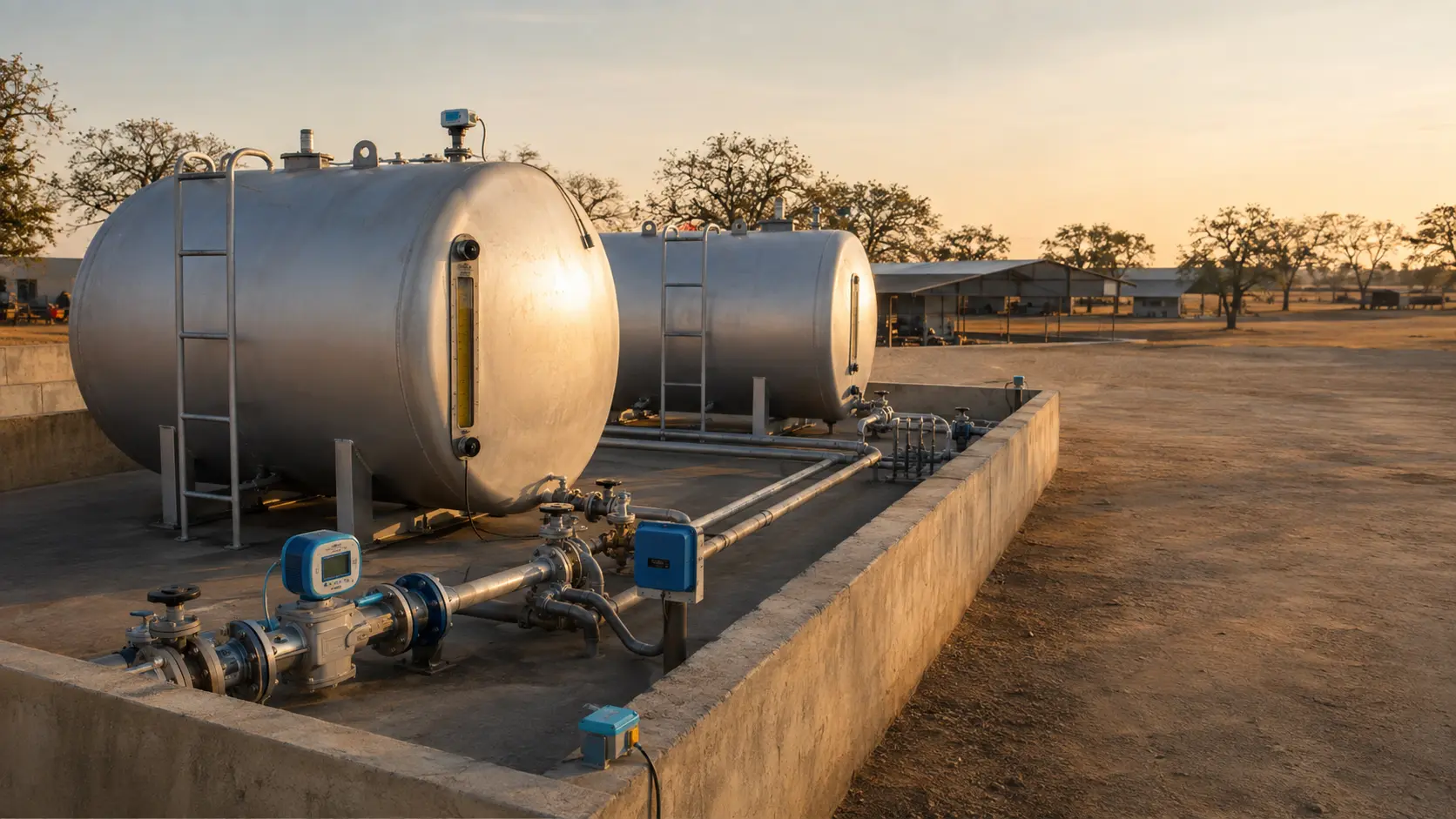
A fuel management system is a combination of sensors, vehicle or equipment data, connectivity and software used to measure and manage fuel. Depending on the operation, it may monitor a vehicle tank, a generator, a bulk diesel tank or the movement of fuel from storage to dispensing and final consumption.
The strongest systems do more than display a fuel level. They combine fuel readings with GPS location, distance travelled, engine hours, ignition, driver identity, routes and operating events. This context helps management distinguish normal usage from a potential drain, leakage, inefficient operation or record mismatch.
The real value is not simply collecting more data. It is giving the right people a clear, auditable record they can use to make decisions and follow up exceptions.
Eight benefits for the business
Clear visibility of fuel use
A fuel management system records refills, consumption, tank levels and other fuel events in one operating view. Managers can see what was received, where it went and how it was used instead of relying only on slips, estimates or month-end totals.
Earlier detection of theft and unexplained loss
Sudden level drops, refills outside approved locations, after-hours activity and unusual consumption can be flagged for review. This helps the business investigate exceptions while evidence is still available.
More accurate cost allocation
Fuel can be analysed by vehicle, machine, driver, route, project, depot or cost centre. Better allocation makes it easier to understand which operations are profitable and which require attention.
Improved vehicle and equipment efficiency
Fuel data becomes more useful when combined with distance, engine hours, idling, routes and workload. The business can compare similar assets and identify operating patterns that increase consumption.
Stronger driver accountability
Refuelling and consumption records can be linked to vehicle activity and authorised users. This creates a fairer, evidence-based process for reviewing fuel exceptions and coaching drivers.
Better maintenance decisions
A sudden change in fuel efficiency may point to mechanical wear, tyre problems, poor calibration or operating conditions. Combined fuel and maintenance information supports earlier investigation and planned intervention.
Reliable planning and budgeting
Historical consumption, utilisation and route data provide a stronger basis for purchasing, cash-flow planning and contract costing. Forecasts can be based on actual operating behaviour rather than broad assumptions.
One record for vehicles, tanks and generators
A connected system can monitor mobile assets and stationary fuel infrastructure together. Businesses can reconcile deliveries, storage, dispensing and consumption across the full fuel chain.
Where fuel management delivers value
Fuel control is relevant anywhere diesel or petrol is purchased, stored, transferred or consumed. The monitoring design should match the asset and the decisions the business needs to make.
- Transport and logistics: vehicle consumption, route variance, refills, idling and driver behaviour.
- Mining and construction: fuel per machine, engine hour, shift, project or production activity.
- Agriculture: tractors, harvesters, irrigation engines, generators and farm storage tanks.
- Generators and backup power: tank level, running hours, consumption, refills and unexpected operation.
- Depots and bulk storage: delivery verification, dispensing accountability, transfers and unexplained losses.
- Delivery and service fleets: cost per kilometre, vehicle comparisons and fuel allocation by branch or customer route.
What makes implementation successful?
Technology alone does not guarantee control. A successful project begins with a clear baseline: current fuel purchasing, storage, issuing, reconciliation and reporting processes. The equipment must then be selected for the tank shape, asset type, operating environment and accuracy required.
Correct installation and calibration are essential. Fuel tanks are rarely perfect rectangles, and readings can be affected by vehicle movement, temperature, terrain and sensor placement. A physical wet calibration, completed in measured intervals where appropriate, helps translate the sensor signal into a dependable volume table.
Finally, the business needs agreed exception rules and ownership. Decide who receives alerts, who investigates them, what evidence is required and how findings are closed. Regular review turns the system from a dashboard into an operating discipline.
Building a realistic business case
Start with measurable questions: How much fuel is purchased each month? What percentage can be reconciled confidently? Which vehicles or machines have the highest consumption? How quickly are drain events investigated? How much time is spent preparing reports?
A pilot on selected high-consumption assets can establish data quality, operational acceptance and the likely opportunity before a wider rollout. Results should be assessed against an agreed baseline rather than a blanket savings promise.
Netplus combines fuel sensors, Wialon-powered fleet intelligence, connectivity, local installation, calibration, training and support. The solution can cover vehicle tanks, heavy equipment, stationary diesel storage and generators in one managed approach.